Help shape the glasses.
We’re developing assistive glasses in Brisbane for people who are blind or have low vision. The prototype pairs a depth sensor with 3D audio you feel through the bone. Used with the cane or guide dog, never instead of it.
Tell us what a device like this should and shouldn’t do. It takes a minute, there’s nothing to buy or sign, and the glasses aren’t available for supply.
Working prototype · International patent application filed · PCT/AU2026/050792
Read the transcript, with what’s on screen
Nabil, the founder, talks to the camera wearing the revision 4 prototype: a black frame with sensors at the brow and both temples.
Nabil: A cane tells you what’s at your feet. I’m building glasses that help you feel what’s above it. Hi, I’m Nabil. This is Spatii.
An animation: a head wearing the glasses, with a field of dots spreading out in front of it, a box on the floor and a shelf at head height. Labels build beside it: depth sensor; low things, behind the ear; head height, at the temple, and the side tells you left or right; turn your head.
Narrator (a synthetic voice): Here’s how it works: a depth sensor maps what’s in front of you and turns it into 3D audio you feel through the bone. Something low, you feel behind your ear. Head height, at your temple. The closer it gets, the faster it buzzes. Turn your head, and you feel where it starts and ends.
A graphic headed “Retinitis pigmentosa: sight narrows from the outside in, slowly, over many years.” A room drawn in dots darkens from the edges until only a small circle in the middle is left.
Nabil: My sister has retinitis pigmentosa. So her vision’s been getting smaller every year. So that’s why we created Spatii: we’re developing glasses to help the visually impaired.
He holds the prototype up to the camera.
Nabil: So I built these. I have built this thing entirely myself. Firmware, software, hardware. I’ve just been going at it for like 14 months now, just non-stop.
A render of one of the revision 5 circuit boards turns slowly: designed, not yet fabricated. Then a concept render of the next design, revision 5, a slimmer black frame, turns on a white background.
Nabil: We’ve started on a new streamlined, more nicer looking design. That is on our new custom PCBs, our own personal custom boards that we’ve made. And to do a test production run of about ten units, to see how we go. It’s pretty much all the red tape now that we just have to get through.
A list builds under “What’s next”: one, Rev 5 on our own custom boards; two, a test run of about 10 units; three, a regulatory classification opinion; four, an ethics application for a proper study.
End card: Spatii, spatial awareness you can feel, spatii.com.au. Work in vision loss or assistive tech? Let’s talk: [email protected].
How it works
Designed so you feel where things are, with your ears uncovered.
- It reads the space. A depth sensor in the brow reads what’s in front of you many times a second, including things at head and torso height that a cane can’t reach.
- You feel it through the bone. Something low is signalled behind your ear, something at head height at your temple, and the side it comes from tells you left or right.
- Closer means faster. The nearer it gets, the faster the cue. Turning your head is designed to show where it starts and ends.
It’s 3D audio you feel through the bone, so it leaves the ears uncovered for traffic, voices and footsteps, the sounds people who are blind or have low vision navigate by. Whether the cue ever gets in their way is one of the things the planned study will measure.
It’s designed as a supplementary spatial-awareness aid, used together with the white cane or guide dog, and never as a replacement for either.
The device is in active development. It is not currently available for supply, and nothing on this site is an offer to sell. We will publish availability information only once development, testing and the applicable regulatory steps are complete.
Where it stands
A working prototype, and the next revision in design.
-
Revision 4 on the bench
Our own hardware, firmware and app, designed and built in Brisbane. It’s the unit we build and test on today.
Now
-
Feedback from people with sight loss
Informal feedback so far, including from people with retinitis pigmentosa, macular degeneration and congenital blindness. What they tell us drives the build. It isn’t clinical evidence; that’s what the planned study is for.
So far
-
Revision 5 in design
Purpose-designed circuit boards and a slimmer frame, not yet fabricated. A small test run of about ten units follows the first build.
October 2026
-
International patent application filed
PCT/AU2026/050792. It publishes in February 2027.
July 2026
-
Next: the regulatory and ethics steps
A written regulatory classification opinion, then an ethics application for a proper study with people who are blind or have low vision.
Planned
Why we're building it
This started at home.
Spatii began with the founder's sister, who has retinitis pigmentosa, and with obstacles that arrive without warning above the cane's reach. The founder has also experienced sight loss himself, and its return.
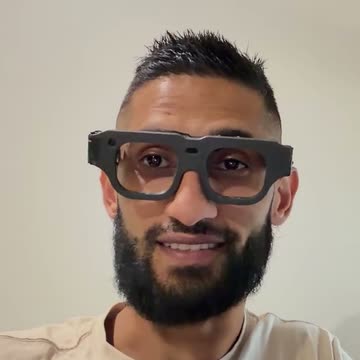
Nabil Casoojee, founder. An embedded and iOS engineer who studied mechanical engineering. Over fourteen months he has designed the circuit boards, written the firmware and built the app himself, in Brisbane.
Get involved
Join the founding group.
Spatii is being built with the people it’s for, not only for them. The founding group is everyone who helps shape it first. Pick whatever fits:
- Try it on. Ask us to tell you when try-on sessions open. They aren’t open yet, and there’s no date.
- Help shape it. Tell us what gets in your way, what a device like this should never do, and what you think we’ve got wrong.
- Follow along. A short email when something real happens, like a study result or a regulatory step, a few times a year at most. For updates only, use the email-only sign-up below.
Whichever you pick, every message is read by Nabil, the founder. It takes a minute. Nothing to buy or sign, and one word from you takes you off the list.
Join in a minute
It goes straight to the founder. Rather email? Write to info@spatii.com.au.
It comes only to us (stored with our host, Cloudflare). We use it to reply to you, to tell you when try-on sessions open if you tick "Try it on", and for the update list if you tick "Follow along"; nothing else. If you tell us about your own sight, that is health information: we use it only to reply to you, never publish it, and delete it whenever you ask. See our privacy policy.
Work in vision loss? We want your advice.
Orientation and mobility specialists, occupational therapists, low-vision clinicians, researchers and blindness organisations: tell us what we’ve missed in the design and in the planned study. Even just a name helps, if you know who we should be talking to. Nothing to buy or sign, and we’ll share what we learn with you.
Email us about working together, or use the form above and tick “Work together”.
Stay informed
Get development updates.
Leave your email and we’ll tell you when something real happens: a study result, a regulatory determination, a research finding. A few times a year at most, and one word from you removes it.
Used for these updates and nothing else. See our privacy policy. The full development log is on the progress page.
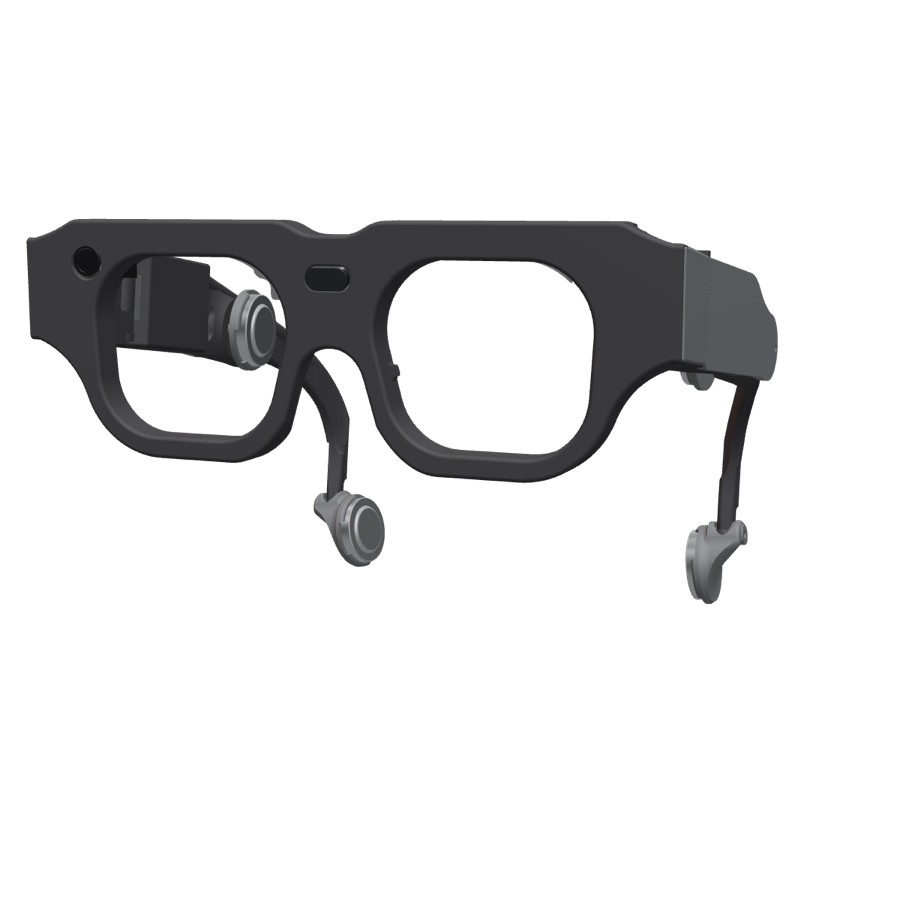
The prototype, revision 4